

Rongbai Shallow Overhead-Handle Teapot is defined by its low profile and distinctive arched handle above the lid. The handle aligns closely with the teapot’s centre of gravity, providing a stable grip and controlled pour. Practical and well-balanced, the design combines everyday function with an elegant silhouette.
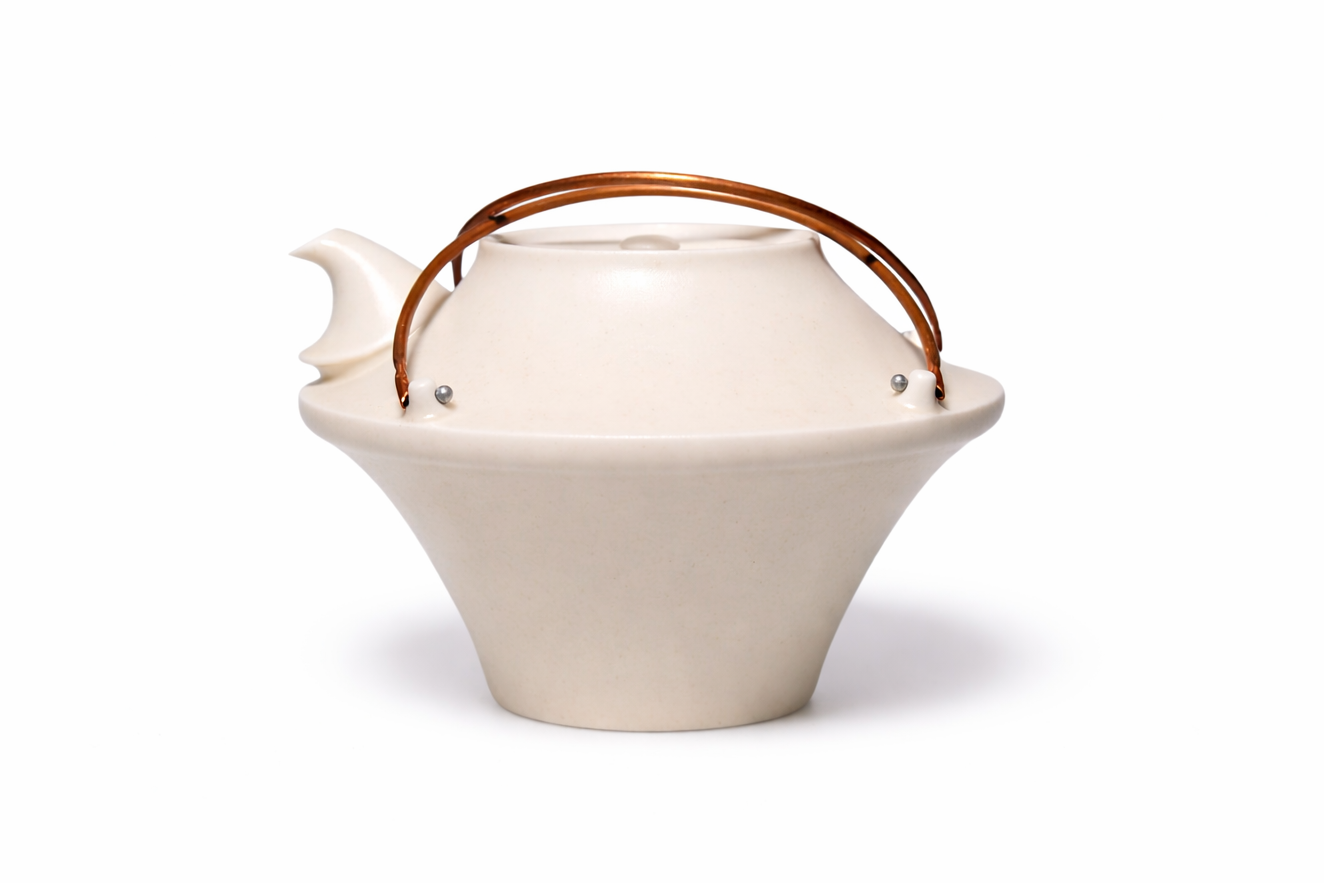
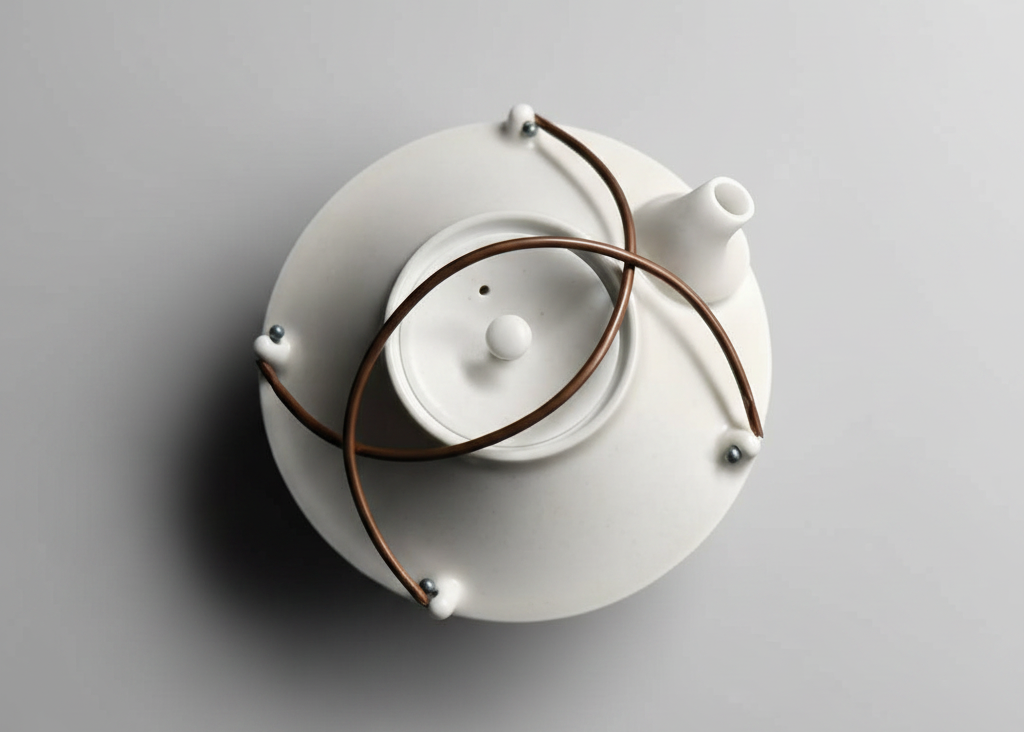
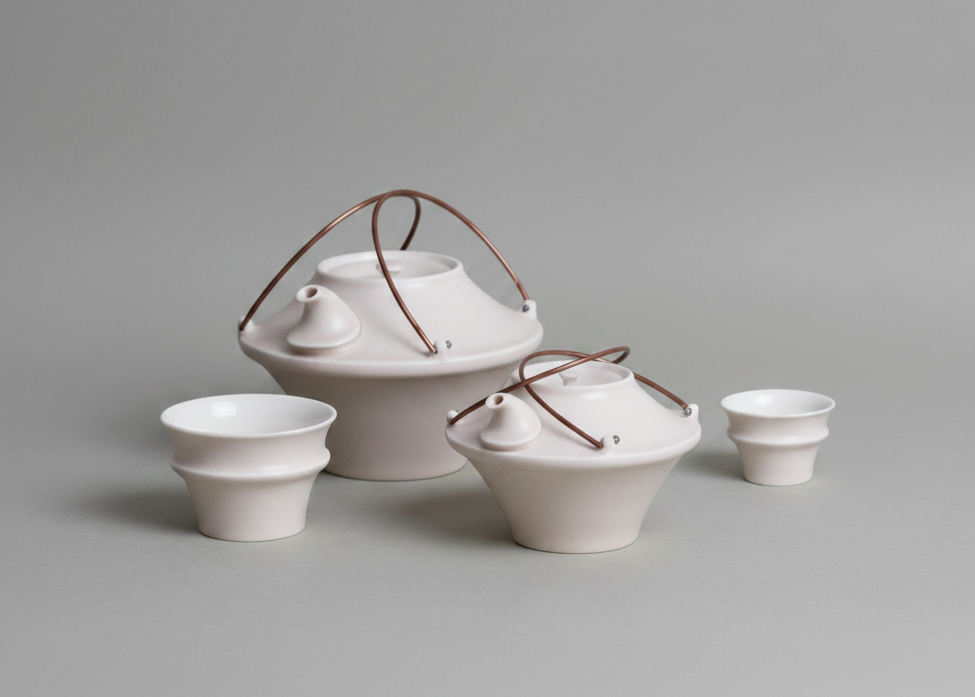
Shallow Overhead-Handle Teapot
Material: Porcelain clay
Glaze: Straw White + Clear Glaze
Forming: Roller forming + Slip casting
Firing: Oxidation firing at 1270 °C
Origin: Jingdezhen, China
Shallow Overhead-Handle Teapot
Sale price$205.00
Choose options
Shallow Overhead-Handle Teapot
Sale price$205.00